The Freedom of Not Knowing | How Uncertainty Opens Possibility

Pema Chödrön once said,

“Letting there be room for not knowing is the most important thing of all. When there’s a big disappointment, we don’t know if that’s the end of the story. It may just be the beginning of a great adventure. Life is like that. We don’t know anything. We call something bad; we call it good. But really we just don’t know.”
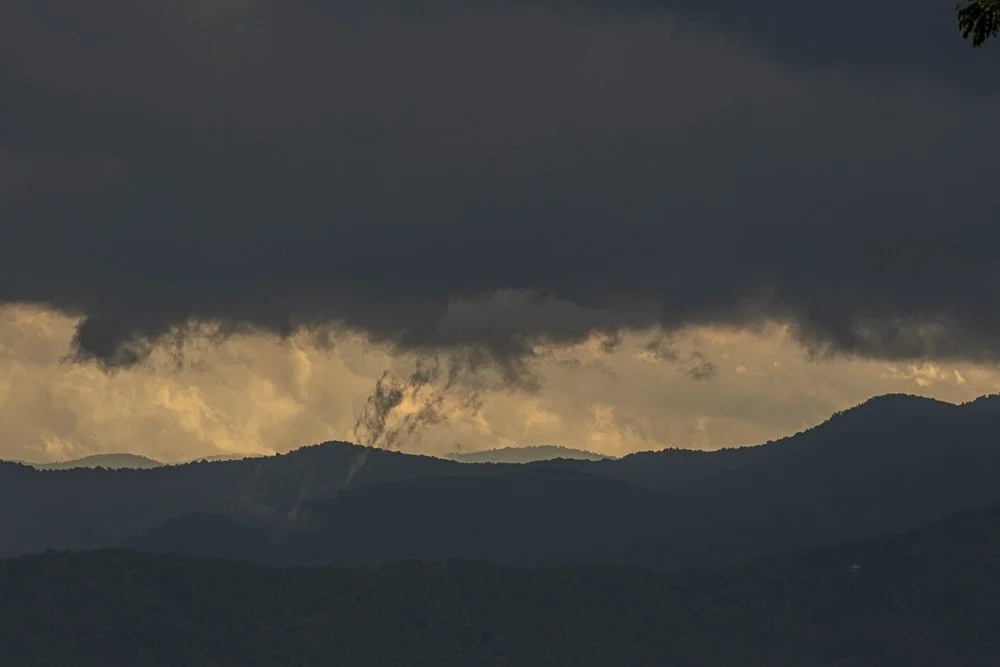
I find this perspective both liberating and deeply challenging. It’s human nature to crave certainty. We long for answers, closure, and the reassuring belief that we can control how life unfolds. But the truth is, we can’t.

We just don’t know, do we? We think we know how things will turn out—how that relationship will evolve, whether that project will succeed, how our choices will shape the future, or what direction our world is heading. But time and time again, life reminds us: we don’t know. We can’t know.

Uncertainty in Unprecedented Times

And in these times—when the ground beneath us feels so unstable, when the stakes seem impossibly high—it’s tempting to grasp harder for answers, for control, for guarantees. Yet what if the very times that feel most disorienting also hold the greatest potential for transformation? For reshaping not just our lives but the world?

Neuroscience offers a humbling reminder: our minds are notoriously poor at predicting the future. We cling to stories about how things should go, but those stories are shaped by fear, bias, and the limits of our perspective. They rarely capture the infinite possibilities that life holds.

And yet, even in the face of this uncertainty, we resist. We label experiences as “good” or “bad,” “successes” or “failures,” based on a narrow moment in time. But what if we paused? What if we created space for the unknown to surprise us in ways we can’t imagine?
Share

Creating Space for the Unknown

Letting go of certainty doesn’t come easily. It feels vulnerable—like standing on the edge of a vast, uncharted expanse. But within that vulnerability lies incredible freedom. When we stop clinging to the illusion of control, we can begin to navigate life with more ease, curiosity, and flow.

Here are four ways to begin making space for not knowing:

1. Pause and Acknowledge the Unknown:

When you feel yourself grasping for answers, take a breath and remind yourself: “I don’t know how this will turn out—and that’s okay.” This simple acknowledgment can create openness where there was once tension.

2. Reframe Disappointment:

Pema Chödrön’s words remind us that what feels like a loss today could become the seed of something extraordinary tomorrow. Holding this perspective allows us to face life’s twists and turns with greater resilience.

3. Cultivate Curiosity:

Instead of labeling events as “good” or “bad,” approach them with curiosity. Ask yourself: “What might this experience teach me? What new possibilities could emerge from this?”

4. Embrace Stillness:

Sitting with uncertainty can feel counterintuitive in a world obsessed with action and answers. But stillness—through meditation, walking in nature, or simply pausing—creates space for insights to surface.

Possibility Lives in the Unknown

When we resist the unknown, we limit ourselves. We cling to familiar patterns and predictable outcomes, even when they no longer serve us. But when we release that grip, we open the door to possibility.

Think about it: how many of life’s most profound moments—those that shaped you, brought you joy, or shifted your path—came from something you didn’t see coming? A chance encounter. A surprising opportunity. A loss that led to unexpected growth.

This is especially true now. The world is shifting in ways that can feel unbearable. Yet within this chaos lies the potential for profound transformation—not because we know how things will unfold, but precisely because we don’t.

Acting Without Rigidity

This doesn’t mean we stop making plans or striving for goals. It doesn’t mean we abandon the call to act—especially when the world urgently needs us to rise. But true action doesn’t require rigid certainty or a fixed outcome.

When we take action with an open heart—without clinging to how things must go or should end—we create space for something far greater than our limited vision. We allow the unexpected, the transformative, and the extraordinary to emerge.

An Invitation to Trust

So, what if we stopped trying to know? What if, instead of grasping for certainty, we leaned into trust? Trust that the unfolding of life—messy and unpredictable as it may be—carries its own wisdom and rhythm.

This doesn’t mean we stop caring or creating a better world. It means we soften our grip, holding our plans lightly while remaining open to what we can’t yet see.

The next time you feel the pull of the unknown, especially when you feel existential dread, I invite you to pause. Breathe. Remind yourself that not knowing is not the absence of direction—it’s the fertile ground where possibility grows.

What might you discover if you let go of the need to know?

Feeling Overwhelmed? How to Turn Dread Into Purpose and Show up When It Matters

I don’t know about you, but I’ve felt some existential dread lately. Between hurricane floods here in NC, the election, and wildfires in LA, I’m shaken. Some nights, its weight keeps me awake. Yet, a couple of days ago, I felt a flicker of something like hope, inspiration, or excitement. I can’t quite name it, but it was a feeling of aliveness.

Embracing Challenges: The Catalyst for Growth

You may not know this about me, but I love a good challenge. Challenges force me to dig deep—to rise above complacency, projections, judgments, and insecurities. They demand that I show up. And while the enormity of the world’s challenges can feel overwhelming, that flicker reminded me of something crucial: When I can get out of my own way, I connect to my intelligence, courage, and capability. I feel a sense of purpose and meaning. I remember that I am here now for a reason. I am needed. My presence matters. And that changes everything.

"Do not be daunted by the enormity of the world’s grief. Do justly, now. Love mercy, now. Walk humbly, now. You are not obligated to complete the work, but neither are you free to abandon it." – The Talmud

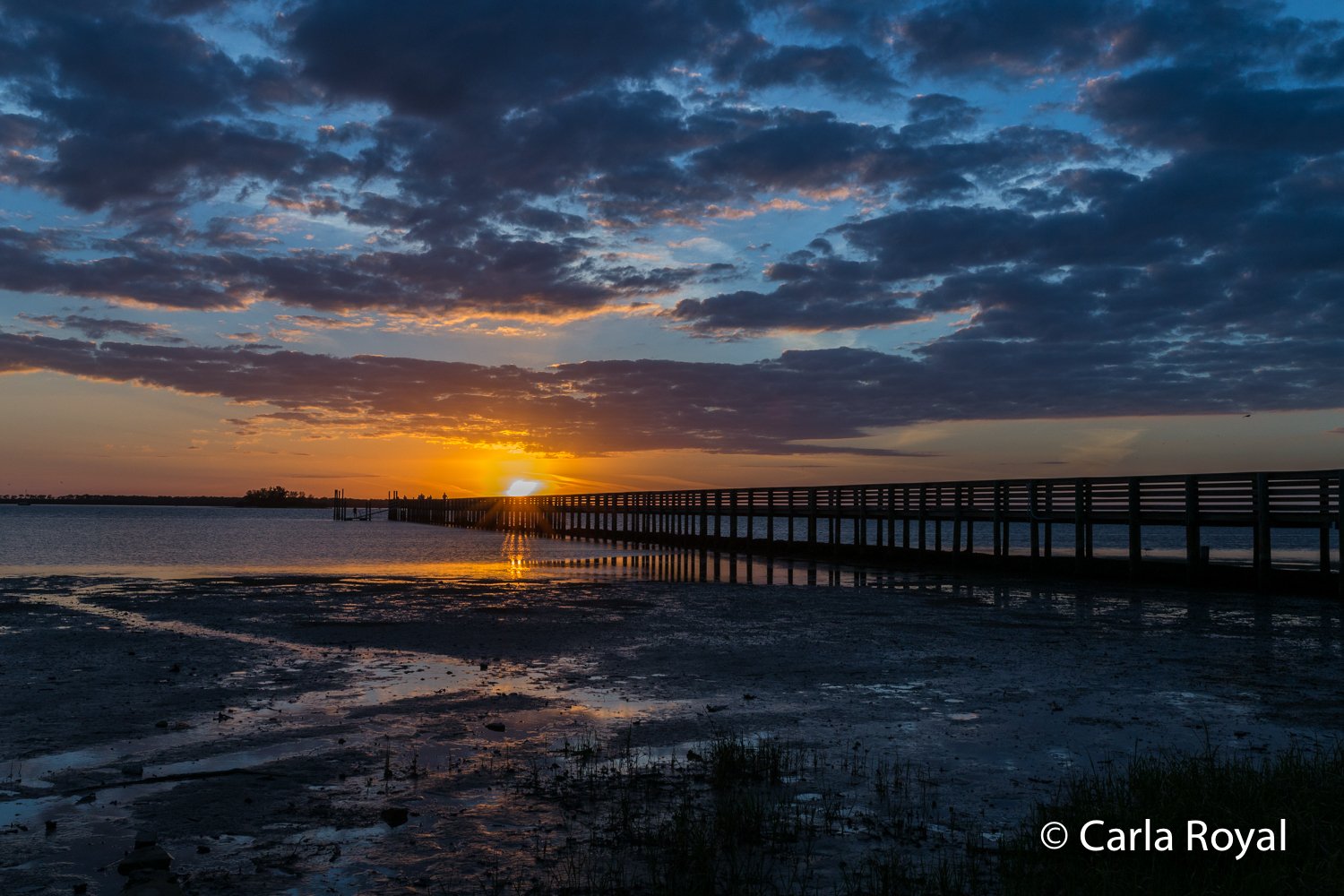
(2022 St. Joseph’s Sound Fl)

That flicker was tiny, but it was enough. Enough to remind me that I can nurture it into a flame that could grow into a steady fire. A fire that warms and sustains me, one I tend with care. A fire I can share, helping others ignite their own—responsibly and safely—so they, too, can light the way for others.

Who Will You Be in This Moment?

Right now, it feels like the world is crashing down around us. So, I ask myself: Who do I want to be at such a time as this? Do I want to sit at home, paralyzed by fear and anger, doom-scrolling on social media? Do I want to do nothing and watch it all burn? Or do I want to take action—action that aligns with who I am, action that gives me a deeper sense of meaning and purpose?

Action as an Antidote: The Science of Resilience

Here’s what I know: In the face of trauma, taking action—even small action—can transform us. Trauma research shows that those who act during crises are less likely to develop PTSD. Taking action gives us a sense of agency and competence that protects us from feeling powerless. It helps regulate our nervous systems and keeps us grounded.

"Hope is not the conviction that something will turn out well, but the certainty that something is worth doing no matter how it turns out." – Václav Havel

Nature’s Wisdom: Lessons from the Antelope

Look at the antelope on the savannah. Every day, they live with the reality of mortal danger, yet they graze peacefully, relaxed and aware. When the chase is on, they trust their bodies to respond—and when the threat passes, they shake off the fear and return to grazing. This is balance. This is resilience. And this is how we’re wired, too.

(They aren’t antelope, but it’s the best I can do in western NC!)

Insights from Combat Veterans

Combat veterans also offer a powerful example. Studies show that soldiers who actively engage—making decisions or helping others—are less likely to develop PTSD than those who don’t take action. It’s not always possible to act, but when it is, action helps us hold on to our humanity amid chaos.

Answering the Call: Overcoming Fear and Apathy

So, who do I want to be? My default tendency, rooted in family trauma, is to hide. To retreat. And, honestly, I’m good at it—it’s comfortable. But my calling—the deep, inner pull that won’t let me go—asks something else of me. It asks me to step up for a world that desperately needs it. My despair, anger, and judgment only grow when I hide out and ignore that call.

Rising to the Challenge: A Personal Resolve

I see so many people suffering deeply right now. It’s understandable. Things aren’t looking so good. There are nights I lie awake worrying about the future—for myself, the children, the animals, this breathtakingly beautiful Earth. My heart breaks, and it should. But then I must get up and get to work—work that aligns with who I am and what I have to give, not what someone else tells me it should be.

From Fear to Empowerment

We can’t make a difference behind screens, trapped in judgment and fear. If we want to save ourselves and this planet, we must act. And yes, it’s scary. But it’s also exhilarating. That flicker of excitement, inspiration, and empowerment is real. It’s the spark that reminds me that I can make a difference.

You Hold the Power to Act

We all can. YOU can. Even in the face of fear and dread, we can act. And when we do, something extraordinary happens. The fear doesn’t vanish—it doesn’t need to. Fear holds intelligence; it deserves space. But as we make room for fear without letting it consume us, something else emerges: confidence, clarity, purpose, fulfillment, hope, and even joy.

Let’s Light the Way

So, let’s tend to our flickers. Let’s nurture them into flames. Let’s fan those flames into safe, responsible fires—fires that sustain us, guide us, and inspire others rather than the fires that are destroying. The world needs your light—what you uniquely offer—now more than ever.

(Outer Banks NC 2022)

Join Me on This Journey

If this message resonates with you, I invite you to join me. Let’s build a community of people ready to show up—to step into courage, purpose, and meaningful action. Subscribe to my Substack for more reflections like this, and share this post with someone who might need a flicker of hope today. A “like” always gives me a good feeling and is appreciated, but only if it’s from your heart. 🤗

Your light matters. Let’s illuminate the world together.

When Life Breaks Open | Finding Light and Meaning in Life’s Broken Places

It’s been an up and down few months. Actually, it’s been a lifetime of ups and downs. That’s the way of it. Why are we ever surprised by this? We hold onto an illusion of control, and when that illusion cracks, we desperately try to seal it, hoping the cracks won’t spread.

(From my front porch)

When We Can’t Ignore the Cracks

And then something cataclysmic happens—hurricane floods wipe out whole communities in western North Carolina, where I live. Out west, fires rage, topping even our floods. These events are happening regularly around the world. Lives are lost, homes destroyed, and economies leveled. The earth is changing. The cracks in our illusions widen. Anyone paying attention can see this.

I want to look away. I want to ease through these remaining years of my life. But I can’t. I will look. But I will look like I look at you—holding your gaze, looking away, re-engaging. I can’t look without blinking, nor should I. But refusing to look altogether means refusing to connect. And to heal, we must connect.

Even when looking brings despair, we must look. If we allow despair to do its work in us, it can lead to surrender, opening us to new ideas and paradigms. New ideas and paradigms can lead to systemic changes. I’ve seen this happen, but it’s difficult, painful, and messy work.

We need systemic change. Nothing less will do.

What Can We Do When the Cracks Widen?

There is no one right way. We each come with unique gifts, abilities, callings, and passions. We need all of you. We need all of YOU—without the baggage of internalized patterns, systems, judgments, and rigid beliefs. The problems in the world are, in part, reflections of what we’ve internalized and then projected outward. Systems are then made that reinforce what we’ve internalized. It’s a vicious cycle! If we don’t allow those internal patterns to fall away (that which is not us)—or chip them away— we won’t create lasting change in the systems around us. If the systems around us don’t change, we will likely destroy ourselves, even as we are destroying the Earth.

Still, most people will do anything but look deeply into themselves. I get it. If you’re in survival mode, it feels counterintuitive to look inward. You don’t want to sit inside and navel-gaze if the world is burning. And yet, the world is burning because we’ve become disconnected—from ourselves, each other, the earth, and mystery. Connection is the beginning of healing and bringing the flames back into the hearth.

(Another mood)

Connection Starts with Facing Ourselves

Listen, I’m as individualistic as anyone I know. It’s a struggle for me to connect—ask my family and friends. I could write paragraphs about why that is, but I’ll spare you. I’m learning that true connection with others is impossible if I can’t first connect deeply with myself without judgment. True connection often starts with someone sitting across from us, holding space without judgment or expectation so that we dare to sit with ourselves. This is how I sit with my clients. Connecting with ourselves—our memories, trauma, grief, fears, and beliefs—is slow, painful, frightening, and messy work. It’s also relieving, surprising, healing, exciting, and hopeful.

Do You Have the Courage to Face the Cracks and Let Them Crumble?

We all know things are not well with the world. Do you have the courage to look inside and see what is not well within you? To sit with yourself without judgment, to love yourself as you are, and to release the beliefs that divide you from you, others, the earth, and mystery? Then, can you take that love and extend it outward to a world in desperate need?

We can’t take on the whole world, but we can care for what’s right around us. This person here, that piece of land there, the local cause around the corner. To heal the world, we must allow for the cracks in our illusions—let them widen until what separates us falls away. Painful? Yes. Frightening? Absolutely. Worth it? You bet.

Letting the Light In

The courage to allow the cracks within ourselves and the world can lead us toward something more profound, meaningful, and whole. Amidst the pain and imperfections, we begin to glimpse the good, the true, and the beautiful. Through these cracks, we find light, hope, and the possibility of transformation—reminders that even in brokenness, beauty can emerge.

“Ring the bells that still can ring,
Forget your perfect offering,
There is a crack in everything,
That’s how the light gets in.”
~Leonard Cohen

(The beloved forest behind my home)

Let’s Connect

I’d love to hear your thoughts. How are you facing life’s cracks and finding connection? Feel free to comment. I always appreciate hearing from you. And a “like” would feel so good and help me connect to more folks. I appreciate you!

Life Isn't Linear: How to Begin Again and Thrive

Happy New Year!

May you greet 2025 with as much enthusiasm, vitality, and joy as my little Lucy!

It’s been quite a while since I’ve blogged, and I’m thinking of beginning again.

“Beginning again” is such a powerful concept. It’s a reminder that life isn’t linear; it’s cyclical and full of opportunities to start fresh. Whether after a setback, a period of reflection, or simply the desire for change, we all have the chance to renew ourselves.

I can’t pinpoint when I stopped blogging—maybe two years ago?—but since then, I’ve been on a deep dive into old childhood trauma. While I’ve worked with therapists and coaches since I was 25, this is the first time I’ve partnered with a trauma-informed practitioner. That nuance has made all the difference. It’s been hard work— painful at times—but the healing is deeper than I imagined possible.

This process has also transformed my work with clients. As I heal, I study, train, and translate what I’m learning into my coaching. The results my clients are experiencing feel more powerful than ever.

As things begin to settle again for me, I feel creative energy bubbling up. Right before the New Year, I decided to leave social media because it zapped my creativity and didn’t feel healthy. Still, I miss the glimpses into others’ lives and sharing glimpses of my own. So, here I am, testing the waters with this “beginning again” post to see if this is where my creative energy wants to go.

Life’s Constant Curveballs

Several of my entrepreneurial clients are also beginning again. Life throws curveballs, and adjustments are inevitable. Flexibility, resilience, and the ability to self-regulate and co-regulate are critical skills to develop.

(Watch this deer on my trail cam trust his system to take care of him when he gets startled! Within minutes, he will be fully regulated again.)

But pivoting isn’t easy. Our brains crave predictability, black-and-white certainty, and comfort zones. Yet change is inevitable. We can resist it, or we can learn to embrace it. Not for the faint of heart, I know.

Partnering with change requires expanding our window of tolerance—the range where we feel balanced and safe—and learning how to return to it when we’re knocked out. This takes practice: self-regulation, tapping into our innate resilience, and trusting that our systems constantly seek equilibrium and know how to get there.

Tools for Returning to Balance

I’ve been experimenting with ways to return to a regulated state (ventral vagal, for those familiar with Polyvagal theory). Here are some things that help me:

  • Working somatically with a trauma-informed practitioner

  • Setting healthy boundaries

  • Walking in the forest every day

  • Listening to music

  • Getting enough sleep

  • Staying off social media and television

  • Cutting out sugar and alcohol

  • Drawing, writing, and creating

  • Gathering with good friends (co-regulation)

(I’ve been drawing. It helps me come back into regulation, and it’s fun!)

What about you? Do you know what helps you return to a regulated state?

If not, start paying attention. Notice when you feel most connected, calm, and safe. What led you there? Was it a walk, a conversation, music, movement? Make a list of these moments so that when life feels overwhelming, you’ll have a roadmap back to your center.

Begin Again

The New Year is a natural time to begin again—but the truth is, you can start fresh anytime. Life is messy, cyclical, and beautifully imperfect. Growth isn’t linear. Success isn’t linear. It helps to know that.

So, who do you want to be in 2025? Start with a beginner’s mind. Learn to self-regulate and co-regulate. Tap into your resilience and flexibility. You’ve got this.

I’d love to hear from you:

  • What helps you self-regulate? Share your tips—they might inspire someone else.

  • Should I start blogging again? Let me know your thoughts.

Thanks for reading. Lucy and I wish you all the best in 2025!

(My sweet Lucy!)


Open Your Hands

This morning, I read Rumi’s poem called A community of the Spirit.

This line really struck me:

Open your hands,
if you want to be held.

Next, I was struck by this line:

Quit acting like a wolf, and feel
the shepherd's love filling you.

And then, this line:

Why do you stay in prison
when the door is so wide open?

We know that one trauma response can be a fierce independence or individualism. This has certainly been true for me. Even when love has been offered to me, I have often been unable to receive it because I didn’t open my hands and I acted like a wolf.

I have certainly had moments of despair about this but I can also have deep compassion for myself. It can be terrifying to give up a trauma response that has saved us in the past. But this particular response no longer serves us and it would be worth our while to learn to open our hands and stop acting like a wolf.

Maybe then, we will find that the door is, indeed, wide open ready for us to walk right through to freedom.

Just Like Me

heron.jpg

Twice this week, I’ve run into people
whom I had written off.
I dismissed them because they have
beliefs opposed to my own.

It’s interesting, isn’t it,
how we disregard others in this way?
I’ve certainly been denigrated for
the same offense: Believing differently.

But these people are kind and caring
though perhaps innocently ignorant.
Would it be fairer to say that
I’m innocently ignorant?

Would that be so far from the truth?
Not knowing what I don’t know?
Not seeing what I can’t see?
Limited as I am?

What happened to respectful dialogue and kind disagreement
where we seek to understand?
What loving connections do we
miss in our wholesale dismissals?

I was touched by one man
I ran into this week.
He expressed genuine care for me
which didn’t fit my vilified narrative of him.

I became reflective as I considered his kindness.
While I know part of the story I have of him is true,
it is quite limited in terms of
Who He is Wholly.

We, humans, are messy and nuanced.
Good and bad. Faithful and faithless.
Arrogant and terrified. Just like me,
this man is hypocritical, ignorant, and also Kind.

Just like me, he holds staunchly
to his limited and limiting worldview.
Just like me, he takes a stand for
an obsolete and rigid paradigm.

Just like me, he is at times
enslaved by his beliefs because
Often… it can feel safer
to be enslaved than to be free.

Freedom is vast and unlimited,
leaving us with a feeling of
teetering on the edge of a precipice.
We’ve forgotten that
We Are Meant to Fly.

Perhaps flying in this instance would mean
accepting this man in all his humanness.
Messy and Divine.
In doing so, might I finally, fully learn to accept myself?

Just Like Me